In high-throughput automotive trade hubs across West Africa, the infiltration of counterfeit automotive parts poses a severe safety and economic hazard. From counterfeit brake friction pads fabricated with compressed wood shavings and low-grade iron dust to unhardened steel ball joints that shear under standard road vibrations, counterfeit components undermine vehicle reliability.
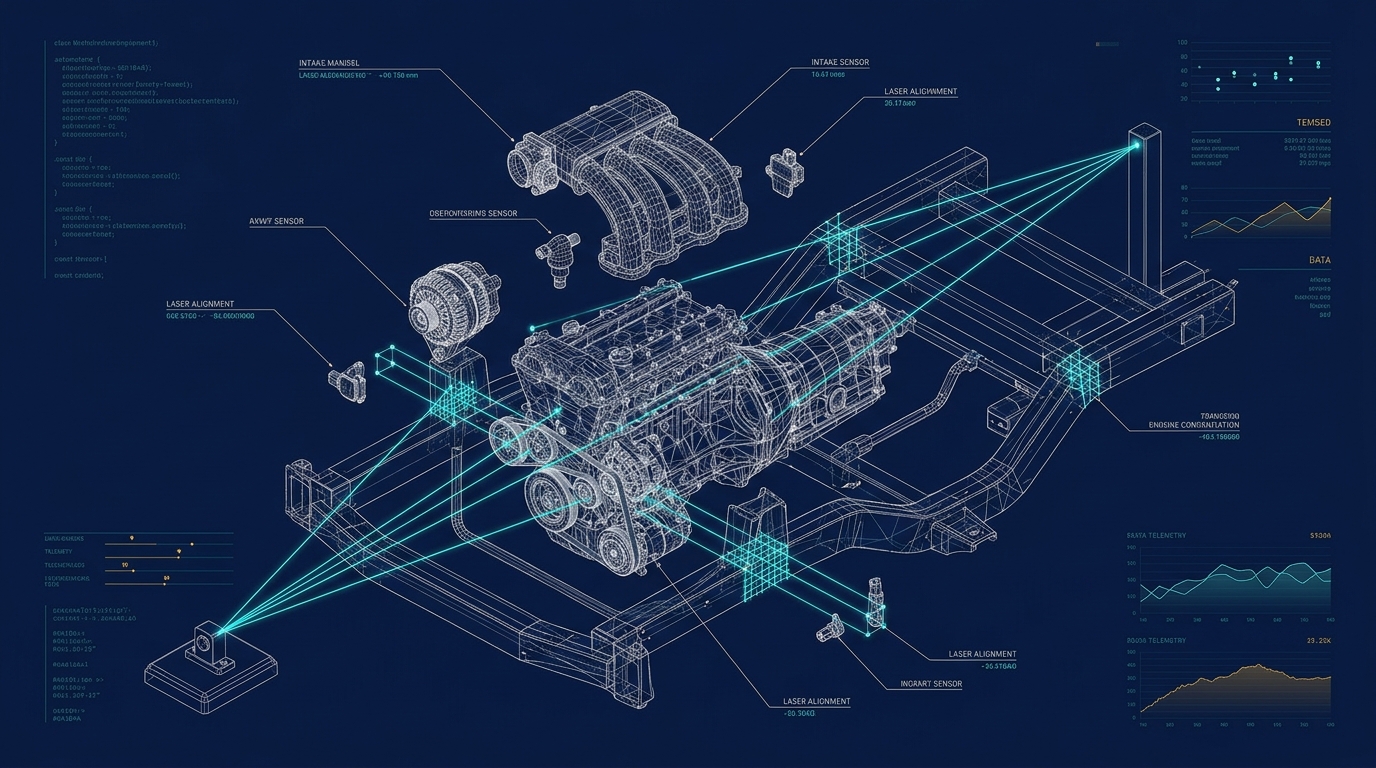
The engineering danger lies in microscopic dimensional discrepancies. A counterfeit CV joint or wheel bearing assembly may visually appear indistinguishable from an OEM unit. However, laser coordinate measuring machines (CMM) reveal that counterfeit tolerances frequently deviate by 0.2mm to 0.5mm from manufacturer specifications. When installed on high-speed transaxles, this runout creates eccentric rotational vibration, destroying wheel hubs, ABS tone rings, and differential bearings within hundreds of kilometers.
Parts4Drive eliminates this vulnerability through a multi-tier Verification Matrix. First, every supplier undergoes identity verification and physical shop geotagging in designated regional hubs like Abossey Okai or Ladipo. Second, products must submit high-resolution macro photography of OEM casting part numbers, manufacturer batch stamps, and barcode markings.
Third, our catalog engine matches candidate parts against manufacturer interchange databases. If a seller lists a water pump claiming compatibility across incompatible engine blocks, the system automatically flags the listing for physical inspection. By combining metallurgical standards with digital verification, Parts4Drive restores integrity to aftermarket procurement.