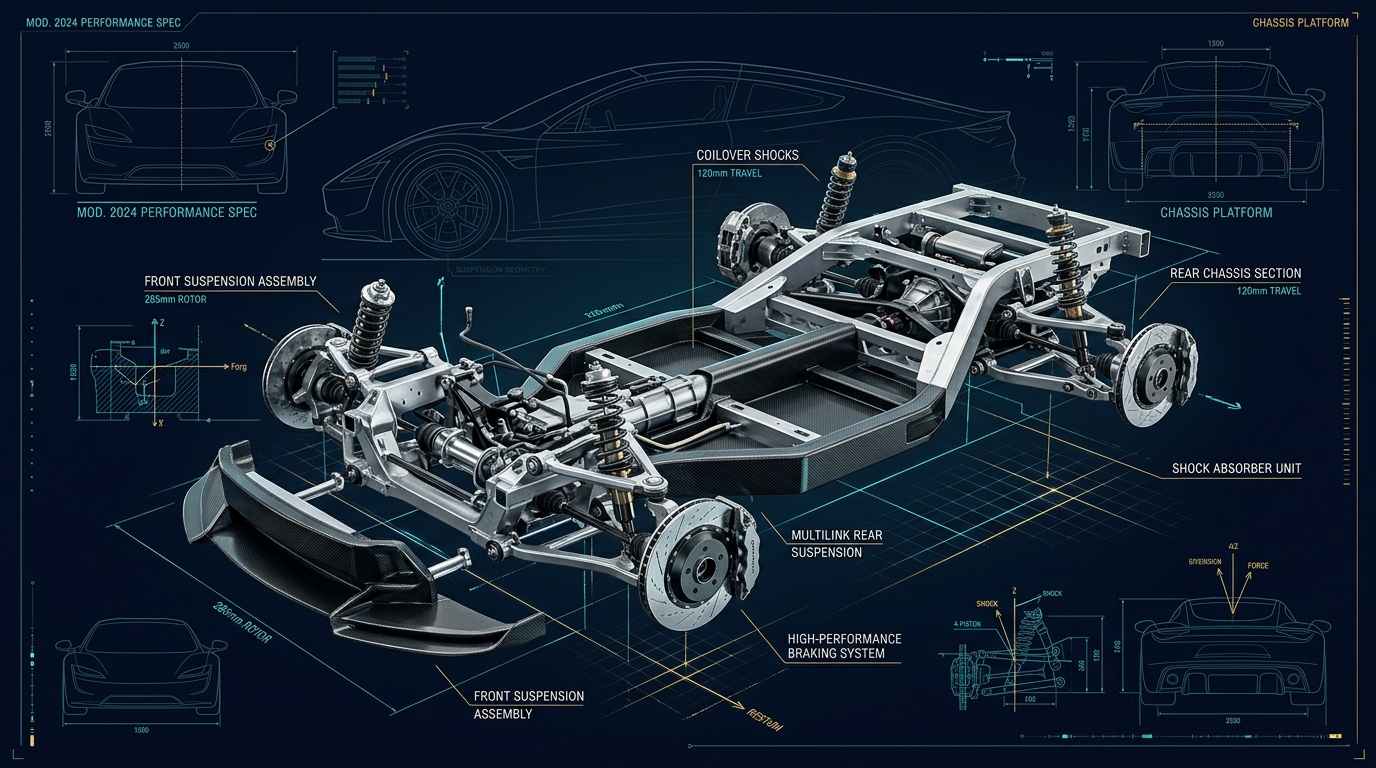
In traditional consumer e-commerce, purchasing a product involves simple parameters: size, color, or style. If a shirt is ordered in size Medium, it universally fits a Medium torso. In the automotive aftermarket, however, fitment is governed by unforgiving mechanical and electrical tolerances down to fractions of a millimeter.
Consider one of the most popular vehicles operating across Africa: the 2012 Toyota Camry. To an informal marketplace, this is simply "2012 Camry". Yet Toyota engineered this vehicle in multiple global factory configurations: the 2.5L 4-cylinder (2AR-FE), the 3.5L V6 (2GR-FE), and the 2.5L Hybrid (2AR-FXE). Furthermore, vehicles imported from North America, Europe, the Middle East (GCC), and Japan feature different radiator hose diameters, suspension spring rates, and brake rotor thicknesses.
If an owner of a 2012 Camry orders a replacement engine starter motor from a generic classifieds site, there is a 50% probability that the pinion gear tooth count (9-tooth vs 10-tooth) or bolt hole pitch will not match the flywheel ring gear. The mechanic attempts to mount the starter, discovers the mismatch after disassembling the intake manifold, and the repair job grinds to a halt.
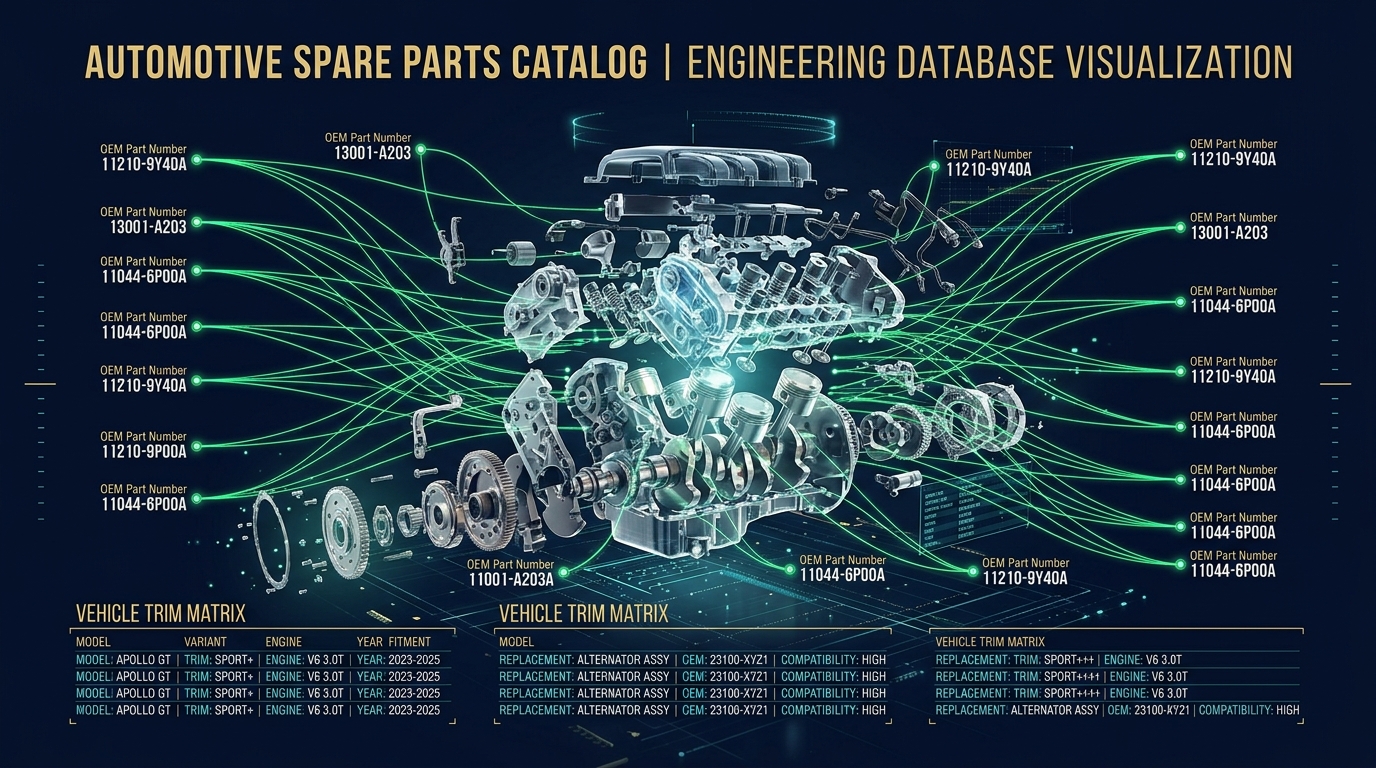
Parts4Drive solves this structural problem through our Deterministic MMYTE (Make, Model, Year, Trim, Engine) architecture. When a merchant uploads an alternator, radiator, or control arm, our cataloging AI does not accept vague titles. Instead, it extracts the exact manufacturer OEM part number and cross-references it against our unified vehicle fitment graph.
When buyers search on Parts4Drive or provide their VIN number, our search engine filters out every SKU that fails 100% geometric, electrical, and hydraulic compatibility. The result is total peace of mind for car owners, maximum ramp throughput for workshops, and a zero-misfit procurement ecosystem.